Energy, cooling, and the facility around the machine
Digital asset infrastructure is also physical infrastructure. Mining equipment converts electricity into computation and heat, while validator operations depend on reliable power, networking, monitoring, and maintenance. Pequet presents these subjects as an educational framework, not as a financial recommendation.
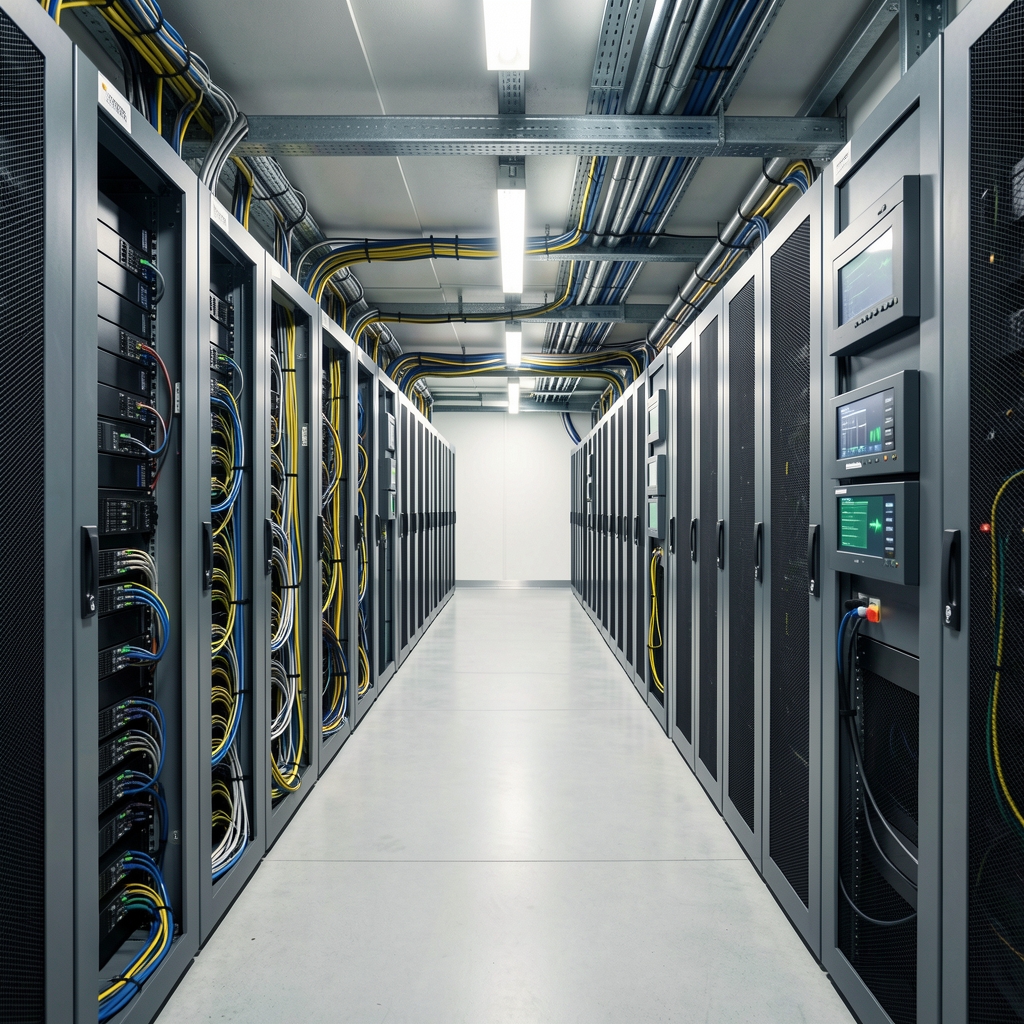
Power is a system constraint
Published power figures do not describe an entire facility. Distribution losses, power quality, conversion equipment, cooling demand, network devices, and maintenance overhead all influence the site. A careful comparison explains where the measurement begins and ends.
Climate and building design also matter. Airflow planning, filtration, humidity, acoustic limits, and service access affect how equipment can be placed and maintained. A configuration that looks reasonable in a laboratory may require different controls in a working site.
- Identify the measurement point.
- Record temperature and cooling assumptions.
- Separate device draw from total facility demand.
Facility overview table
| Layer | What it includes | Evidence to retain |
|---|---|---|
| Supply | Utility connection, distribution, protection | Approved diagrams and inspection notes |
| Compute | Devices, racks, firmware, workload | Asset register and measured readings |
| Cooling | Airflow, filtration, heat removal | Temperature trends and service records |
| Operations | Monitoring, access, maintenance, escalation | Runbooks and exercise records |
A staged facility review
Survey
Document the building, supply, network, and environmental limits before selecting a layout.
Model
Estimate demand with conservative assumptions and identify the values that need measurement.
Operate
Monitor temperature, power, alerts, and maintenance events through an accountable process.
Review
Compare records with assumptions and update the plan when conditions change.
- Use units consistently.
- Keep test conditions with every result.
- Plan service access before installation.
“Energy analysis becomes useful when a device figure is connected to the building, the workload, and the people responsible for keeping the system stable.”
Read more in the hardware guide and industry notes.